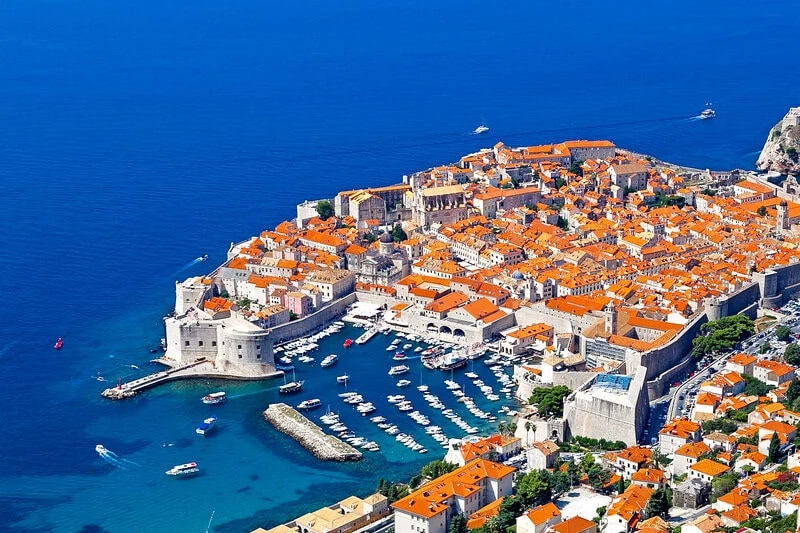
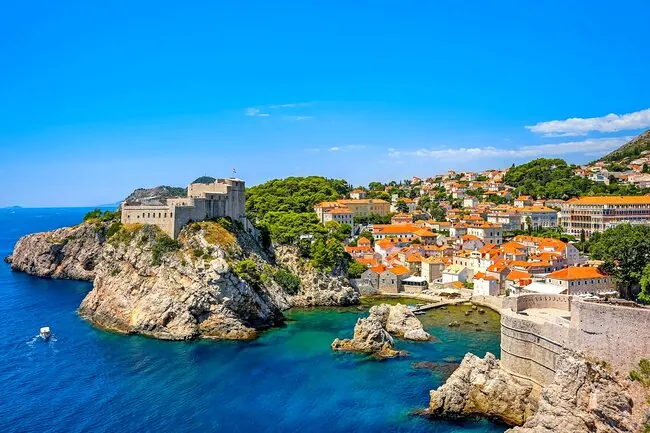
Have you ever walked through a city that feels like it was plucked from a storybook, with towering walls guarding secrets of kings and pirates, and every sunset casting a golden spell over the sea? That’s Dubrovnik for you – Croatia’s crown jewel, where medieval magic meets Mediterranean allure in a way that captivates from the first glance. Often called the “Pearl of the Adriatic,” this UNESCO-listed wonder draws millions with its timeless charm, yet it never loses that intimate feel.
If you’re ready to step into a place where history comes alive amid azure waves and terracotta roofs, let’s uncover what makes Dubrovnik an unforgettable adventure.
Why Dubrovnik Tops Every Traveler’s Wish List
Dubrovnik stands out because it effortlessly blends epic history with seaside serenity, creating a destination that’s as relaxing as it is riveting. For instance, its Old Town – a perfectly preserved medieval fortress – has starred in shows like Game of Thrones, yet it remains a living, breathing community where locals sip coffee in ancient squares. Moreover, as the southernmost gem of Dalmatia, Dubrovnik offers that quintessential Croatian vibe: sun-drenched days, fresh seafood, and nights filled with gentle sea breezes.
In addition, the city’s compact size means you can explore its highlights on foot, leaving ample time for spontaneous discoveries like hidden beaches or cliffside views. However, what truly elevates it is the seamless mix of culture and nature – one moment you’re tracing footsteps of ancient merchants, the next you’re dipping into crystal-clear waters. Because of this diversity, Dubrovnik appeals to all: romantics chasing sunsets, families seeking safe shores, or history enthusiasts delving into its layered past.
With a growing reputation as a must-see, Dubrovnik welcomes around 1.5 million visitors yearly (out of approximately 21 million tourists who visit Croatia annually), but smart timing keeps it feeling personal.
Quick Dubrovnik Cheat Sheet
- Population: ~42,000 – intimate scale with vibrant energy.
- Area: 142.6 km² (55.1 sq mi) – the Old Town spans just 0.247 km² (0.095 sq mi).
- Climate: Mediterranean – warm summers (86 °F / 30 °C avg), mild winters (42 °F / 5.6 °C avg).
- Best Time: May-June or September-October – pleasant seas, lighter crowds.
- Currency: Euro (€) – ATMs abundant, cards widely used.
- Language: Croatian, with English common in tourist spots.
- Safety: Europe’s safest city in 2025 – low crime, welcoming atmosphere.
- Airport: Dubrovnik Airport (DBV) – 15.5 km (9.5 miles) from center.
- Visa: No visa for US, Canada, UK, EU – up to 90 days.
- Emergency Numbers: 112 (general), 192 (police), 194 (ambulance), 193 (fire).
Where in the World Is Dubrovnik?
Dubrovnik perches at Croatia’s southern tip, where the Adriatic Sea meets rugged Dalmatian cliffs in a dramatic embrace. It’s in the Dubrovnik-Neretva County, bordered north by Bosnia & Herzegovina and east by Montenegro, with the sea wrapping it like a protective moat. The city’s position – a peninsula jutting into turquoise waters – creates that iconic walled silhouette, with the Dinaric Alps rising inland for added grandeur.
Geographically, Dubrovnik’s Old Town clings to a rocky outcrop, surrounded by 1,940 m (6,365 ft) of medieval walls that have stood since the 13th century. Nearby islands dot the horizon, while the mainland stretches into hilly terrain perfect for wine trails. In essence, it’s the southern anchor of Croatia’s coast – a gateway where the Mediterranean’s warmth meets Balkan spirit.
And for those craving more adventure, Dubrovnik’s proximity to Montenegro is a traveler’s bonus. Just 92 km (57 miles) southeast lies Kotor, with Herceg Novi even closer at 50 km (31 miles) – making cross-border day trips a cinch. Many use Dubrovnik Airport as a handy entry for Montenegro too, blending two countries’ charms into one seamless journey. Therefore, if you’re here, consider extending south for that extra layer of fjord-like beauty.
Getting to and Around Dubrovnik: Effortless from Air to Shore
Reaching Dubrovnik is a breeze, with Dubrovnik Airport (DBV) 15.5 km (9.5 miles) southeast – a 20-minute drive to the center. Taxis run €30–40 (fix the price to avoid surprises), while shuttles cost €4–10 and run frequently. Ubers or Bolts are reliable alternatives at €25–35. From the airport, you’re in the Old Town before you can say “Adriatic views.”
Once arrived, skip the car – the Old Town’s vehicle-free, and most sights are within a 15-minute walk. The main bus network covers beaches and suburbs (€1.50–2/ticket), buy on board or at kiosks. For islands, Jadrolinija ferries depart from the harbor (€5–20 to nearby Lokrum). Cable car to Srđ Hill? €27 round-trip for quick panoramas.
Renting a car (€30–60/day) unlocks day trips, but parking’s limited in summer (€2–5/hour). Bikes or e-scooters (€10/day or €0.20/minute) suit the coastal paths. Pro tip: Use apps for real-time bus info. Getting around’s simple – more time for exploration, less for logistics.
Dubrovnik’s Must-Sees: Walls, Squares, and Timeless Treasures
Dubrovnik’s attractions draw you in with their storied past and stunning settings, each one building on the last for a captivating journey. Start with the iconic walls, then meander through the heart of the Old Town – you’ll find history at every turn.
The City Walls are Dubrovnik’s signature – 1,940 m (6,365 ft) of medieval fortifications encircling the Old Town, with towers offering unbeatable sea views. Walk the full loop (€35 entry, 1–2 hours), pausing at Minčeta Tower for the highest vantage. Built from the 13th to 17th centuries, they’re a UNESCO highlight – go early to beat crowds.
Stradun (Placa) is the main artery – a 300 m (984 ft) limestone-paved boulevard lined with Baroque buildings and fountains. It’s where locals and visitors mingle, with shops and cafés adding lively energy. No fee to stroll; grab an ice cream (€2–3) and people-watch.
The Rector’s Palace, a 15th-century Gothic-Renaissance gem, served as the republic’s government seat – now a museum with period furnishings (€20 entry). Nearby, the Cathedral of the Assumption holds treasures like Titian’s altarpiece. The Franciscan Monastery cloisters (€5) hide Europe’s oldest pharmacy (1317).
Dubrovnik’s must-sees? They layer centuries into walkable wonders – perfect for immersing in the city’s soul.
Dubrovnik’s Beaches: From Pebble Bays to Island Sands
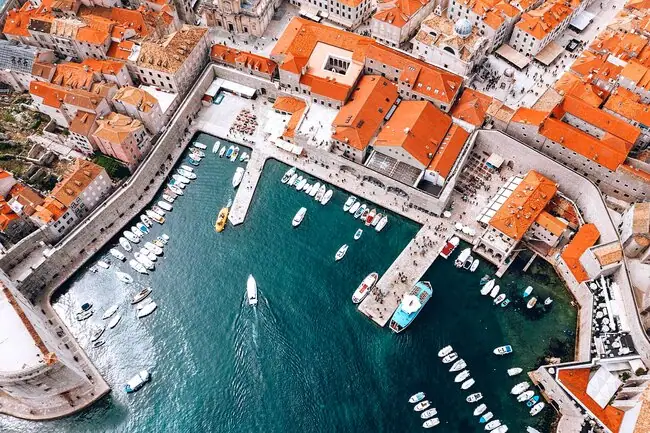
Dubrovnik’s beaches provide that essential seaside contrast to its stone-clad streets, with pebbly shores and clear waters (visibility 30–50 m / 98–164 ft) inviting refreshing dips. Summers see sea temps of 75–82 °F (24–28 °C); water shoes are handy for comfort.
Banje Beach, just outside the walls, is the urban star – pebble with Old Town views, lively bars (€3–5 drink). Sunbeds €20/set, but free spots abound. Lapad Bay, 3 km (1.9 miles) west, spans 1 km (0.6 mile) of pebbles with pine shade and playgrounds – family-friendly, with calm shallows.
Sveti Jakov, a 20-minute walk east, offers seclusion – pebble steps down a cliff to clear waters, fewer crowds. Copacabana on Babin Kuk is modern – pebble with waterslides (€5/hour), wheelchair access. For sand, ferry to Lopud’s Šunj (€10 round-trip) – shallow bay perfect for lounging.
To expand your beach options, consider Šunj on Lopud – a sandy stretch that’s rare in this pebbly region, with shallow waters ideal for families. Or Dance Beach, tucked under the walls – small but scenic, with cliff jumps for the brave. Sulic Beach adds a touch of seclusion, while Bellevue offers upscale vibes with lounge areas. Each beach has its own character, so mix it up based on your mood.
Dubrovnik’s beaches? Varied and vibrant – ideal for balancing city explorations with coastal relaxation.
Food & Drink: Dubrovnik’s Dalmatian Delights
Dubrovnik’s dining draws from the sea and hills, offering fresh flavors that highlight local bounty. Seafood takes center stage – buzara mussels in wine sauce (€12–18) or grilled fish (€15–25/plate) in Old Town eateries.
Dalmatian staples like pršut ham and sheep cheese make great appetizers (€10–15). Pair with Plavac Mali red wine (€5/glass). For sweets, rožata custard (€3–4). Markets provide picnic picks like olives and figs.
Budget meal €10–15, nicer dinner €30–50/head. Dubrovnik’s food? Simple, satisfying – a taste of the region’s sun-kissed essence.
Nightlife: From Cliffside Sips to Harbor Vibes
Dubrovnik’s evenings unfold with a gentle rhythm – begin with sunset drinks at cliff bars like Buža (€5–8 cocktail), where waves provide the soundtrack. Old Town spots offer jazz and wine (€4–6/glass).
For more energy, beach clubs on Lapad pulse with DJ sets (€10 entry). Culture Club Revelin, in a 16th-century fortress, mixes history with beats (€15–25). The promenade buzzes with casual bars.
Dubrovnik’s nightlife? Elegant and easygoing – suited for relaxed unwinds or lively nights.
Festivals & Events: Dubrovnik’s Cultural Highlights
Dubrovnik comes alive with events – here’s the 2025/2026 lineup:
- Dubrovnik Summer Festival (July-August): Open-air opera, theater (€20–50 tickets).
- Good Food Festival (October): Tastings, workshops (free entry).
- Winter Festival (November-January): Markets, lights (free).
- Carnival (February): Parades, costumes (free street fun).
- Libertas Film Festival (August): Indie screenings (€5–10).
Pro tip: Book for Summer Festival early; most are accessible.
Day Trips from Dubrovnik: Islands, Bays, and Beyond
Dubrovnik’s position makes excursions a highlight – boats and buses open nearby wonders.
Lokrum Island, 15 minutes by ferry (€5 round-trip), is a nature reserve with peacocks, cliffs, and the “Dead Sea” lake – ideal for swims and hikes. Cavtat, 20 km (12 miles) south (€3 bus), offers bays, pine trails, and a mausoleum by Ivan Meštrović (€5 entry).
To make the most of your time, consider Elafiti Islands – a short boat ride (€20–30 tour) to Koločep, Lopud, and Šipan for beaches and villages. Or Kravica Waterfalls in Bosnia (2 hours, €40 tour) – swim under cascades in lush settings. Each outing refreshes your perspective, turning Dubrovnik into a hub for broader explorations.
For more adventure, head to Montenegro – Kotor (92 km / 57 miles, 2 hours drive) with its bay and walls, or Herceg Novi (50 km / 31 miles, 1 hour) for beaches and fortresses. Organized tours (€50–80) handle borders. Dubrovnik Airport often serves as a gateway for Montenegro trips too, blending two destinations seamlessly.
Where to Stay: From Budget Gems to Luxe Havens
Dubrovnik’s accommodations suit various tastes (2025 prices, book early).
Budget: Hostels like Old Town Hostel (€30–50/night) – central dorms. Mid-range: Hotel Adria (€80–150) – comfortable rooms, pools. Luxury: Hotel Excelsior (€200–400+) – sea views, spas. Unique: Apartments in Old Town (€100–200) – historic immersion.
Pro tip: Off-season rates drop 30–50%; prioritize locations near the walls.
For families, Lapad area’s resorts offer pools and kids’ clubs (€150–250/night). Couples might prefer boutique spots in Pile with balcony views (€120–200). Whatever your style, Dubrovnik’s stays enhance the experience – waking to sea sounds or palace glimpses.
Practical Tips: Stay Safe, Smart, and Satisfied
Dubrovnik’s safe (Europe’s top ranking), but mind pickpockets in crowds. Tap water’s drinkable, Wi-Fi free in most spots. Taxis: Apps like Bolt €5–10 rides. Tipping: 10% at restaurants. Health: Pharmacies open late. Eco-tip: Walk to reduce traffic – the city’s compact.
Additionally, download apps for bus schedules or cable car wait times. For sustainability, choose eco-certified hotels and refill water bottles at fountains. If traveling with mobility needs, note the Old Town’s steps – cable car and buses help navigate.
Wrapping It Up: Why Dubrovnik Deserves a Spot on Your Map
Dubrovnik captivates with its fairytale walls and seaside splendor, offering a destination where every corner tells a tale of resilience and beauty. You come for the views, stay for the stories woven into its stones, and leave with a heart full of Adriatic memories that beckon you back.
It’s the kind of place that balances grandeur with warmth – a city where ancient fortifications frame modern joys, and sunsets remind you of life’s simple pleasures. Whether tracing history’s footsteps along the walls or savoring a quiet harbor moment with a glass of local wine, Dubrovnik delivers moments that feel timeless yet utterly personal.
For those extending their journey, its southern location makes Montenegro an easy add-on – Kotor Bay’s dramatic fjords and Herceg Novi’s charming beaches are just a short drive away, with Dubrovnik Airport often serving as a convenient entry point for both countries. Many travelers craft seamless itineraries blending Croatia’s polished elegance with Montenegro’s wilder edge, turning one trip into two unforgettable chapters.
But here’s the gentle truth: Dubrovnik’s allure might just convince you to linger a little longer. Perhaps it’s the way the light dances on the sea at dawn, or how a simple walk down Stradun feels like stepping into another era. Whatever the reason, this city has a way of planting seeds – small, quiet ones – that grow into plans for a return visit before you’ve even left.
In the end, Dubrovnik isn’t just a stop on a map; it’s a feeling you’ll carry home, a reminder that some places don’t just show you beauty – they restore it. Until your next chapter unfolds. Safe journeys!