Ever wonder why the Adriatic Sea seems to sparkle a little brighter when you hear “Croatia”? It’s not just the water – it’s the whole package: a coastline that stretches like it’s showing off, over 1,200 islands begging for a sailboat adventure, and medieval towns so photogenic they make Instagram jealous. This is Croatia – the Balkan gem where ancient Romans built palaces that still host summer raves, where turquoise bays hide pirate coves, and where you can hike through waterfalls one day and sip wine on a cliffside terrace the next.
No wonder around 20 million visitors flock here every year – it’s the ultimate mix of history, hedonism, and “wait, is this real?” moments. If you’re plotting your next escape, Croatia’s calling. And trust me, once you hear the waves crash against those limestone cliffs, you’ll be hooked for life.
Why Croatia Feels Like the World’s Best-Kept Secret
Croatia isn’t some undiscovered paradise anymore – but that’s part of the charm. It’s evolved into Europe’s go-to spot for that perfect blend of old-world romance and new-world buzz, without the overtouristed burnout of some neighbors. Picture this: you’re sipping espresso in a 2,000-year-old square while a street musician strums a tune older than your family tree. Then, five minutes later, you’re diving into water so clear you can count the fish below. That’s the Croatian rhythm – timeless yet timelessly cool.
What makes it tick? A coastline that’s 1,777 km (1,104 miles) of mainland magic, plus another 4,058 km (2,521 miles) snaking around its islands, for a total of 5,835 km (3,625 miles) of shoreline that’s basically one long invitation to adventure.
Add 8 national parks (from waterfall wonderlands to lunar-like craters), 11 UNESCO World Heritage sites (Dubrovnik’s walls, Split’s palace – you know the drill), and a climate that dishes out 2,600+ sunny hours a year along the coast. Summers hit 82–95 °F (28–35 °C) on the coast, with sea temps climbing to 77–82 °F (25–28 °C) – perfect for those endless swims. Winters? Mild 46–59 °F (8–15 °C), ideal for off-season wanders without the crowds.
But here’s the real hook: Croatia’s divided into 10 tourist regions, each with its own personality. From the truffle-hunting hills of Istria to the yacht-dotted bays of Dalmatia, it’s like the country curated a playlist of vibes just for you. Whether you’re a history buff, a beach bum, or a family chasing kid-friendly chaos, there’s a corner waiting. And with 9 international airports (Zagreb, Split, Dubrovnik leading the pack), getting here feels effortless – no more “someday” excuses.
The people? Warm, witty, and proud – they’ll share their grandma’s rakija recipe before you even ask. Safety’s sky-high (top 20 globally), English is widespread (especially under 40), and the euro makes budgeting a breeze. Croatia’s not cheap anymore, but it’s value-packed: a seaside dinner for two with wine runs €40–70, craft beer €3–5, and apartments €60–150/night in shoulder season. It’s the place where luxury feels earned, not extravagant.
Where in the World Is Croatia?
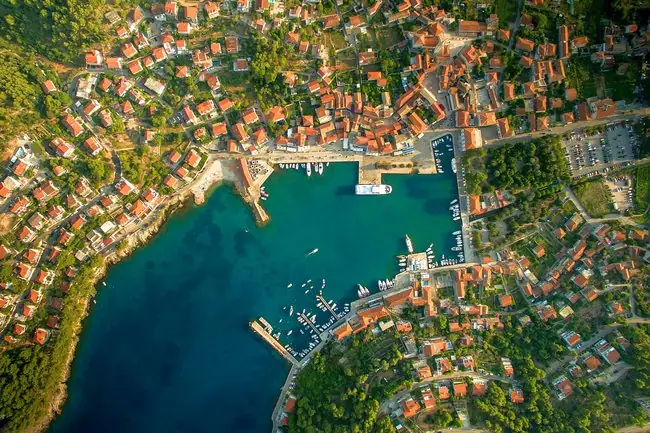
Croatia sits like the crown jewel of the Adriatic, hugging the eastern shore of that sparkling sea while stretching inland across rolling hills, forests, and dramatic mountains. It’s in southeastern Europe, part of the Balkans, but with a vibe that’s more Mediterranean glamour than anything else. To the north, Slovenia and Hungary share borders; to the east, Serbia and Bosnia & Herzegovina; and a tiny slice touches Montenegro in the far south. Out west? Nothing but Italy across the water – close enough for quick ferry hops, far enough to feel like your own private coastline.
Geographically, it’s a long, skinny crescent: the mainland runs northwest to southeast, with that famous jagged coast dipping into countless bays and coves. Then there are the islands – over 1,200 of them scattered like confetti – turning the map into a maze of blue and green.
The Dinaric Alps run parallel to the shore, keeping the interior wild and the coast sheltered. Think of it as Europe’s secret fjord-meets-riviera hybrid: Norway’s drama without the cold, Italy’s style without the crowds (mostly).
And here’s the fun part for travelers: Croatia feels like the perfect gateway to the western Balkans. Head south along the coast from Dubrovnik, and you seamlessly roll into Montenegro – its natural extension, where the mountains plunge even steeper into the sea and the bays get that extra dose of wild beauty.
Same Adriatic magic, same sunny rhythm, just a border crossing away. Many folks combine the two into one epic road trip – start in Croatia’s polished charm, end in Montenegro’s raw edge. Trust me, once you’re here, one country won’t feel like enough.
In short: Croatia’s that sweet spot where Central Europe meets the Med, where history stacks up like layers of limestone, and where the sea is always just around the next bend. Come for the beaches, stay for the islands, and leave already planning your detour south.
Quick Croatia Cheat Sheet
- Official name: Republic of Croatia (Republika Hrvatska)
- Capital: Zagreb (administrative and largest city)
- Political status: Parliamentary republic, EU member (since 2013), NATO member (since 2009), Schengen Area (since 2023), Eurozone (euro currency since 2023)
- Area: 56,594 km² (21,851 sq mi)
- Coastline: 5,835 km (3,625 miles) total – longest in the Med per capita.
- Islands: 1,246 total, 48 permanently inhabited – hop on a ferry and claim your own.
- National Parks: 8 (Plitvice Lakes, Krka, Kornati Islands, Paklenica – nature’s greatest hits).
- UNESCO Sites: 11 (Dubrovnik Old Town, Diocletian’s Palace, Euphrasian Basilica, Trogir, Šibenik Cathedral…).
- Sunny Days: 2,600+ annually on the coast – pack the sunscreen, skip the snow boots.
- Population: ~3.85 million – but feels like a party of 20 million in summer.
- Currency: Euro (€) since 2023 – easy math, no exchange headaches.
- General Emergency: 112 (covers police, ambulance, fire – English operators available)
- Police: 192
- Ambulance/Medical Help: 194
- Fire Department: 193
- Roadside Assistance (HAK): 1987 (for car breakdowns, towing – €50–100 fee)
- Tourist Information Line: 060 508 508 (info on sights, events – €0.30/min, English)
- Language: Croatian, but English is everywhere (tourism’s been booming for decades).
- Safety: Top 20 safest countries globally – walk anywhere, anytime.
- Best Time: June/September – warm seas, fewer crowds, 30–50% cheaper stays.
- Visa: No visa for US, Canada, UK, Australia, EU – up to 90 days.
Getting to Croatia: Your No-Stress Arrival Guide
Forget the hassle – Croatia’s wired for wanderers. Whether you’re jetting in from the US, driving from Germany, or ferrying from Italy, the country’s got you covered. No more staring at maps wondering “is this the right turn?” – here’s the smart way in, tailored for the big hitters (Europeans, North Americans, and beyond).
By Air: Croatia’s 9 international airports make it a breeze. Zagreb (ZAG) is your central hub for inland adventures; Split (SPU) and Dubrovnik (DBU) rule the coast. In the coming period, the introduction of seasonal direct flights from the USA to Croatia is expected, with nonstop services from Newark (New York) to Split and Dubrovnik, while other routes will continue to require connections via major European hubs.
Europeans: Low-cost carriers like Ryanair, EasyJet, and Eurowings swarm from London, Berlin, Paris, or Rome (€40–150). Australians/New Zealanders: Via Dubai or Doha (€800–1,200). Pro tip: Fly mid-week for 20–30% off, and book via Google Flights or Skyscanner for deals.
By Road: If you’re road-tripping from Western Europe, the A1 motorway slices through like butter – Vienna to Zagreb in 4 hours, Munich to Split in 8 (tolls €30–50 total). From Slovenia or Austria, it’s a scenic 3-hour jaunt to Istria. Gas? €1.50–1.70/liter. Rent a car at the border (€30–70/day) or hop FlixBus/Arriva from Vienna (€30–50, Wi-Fi included). Balkan neighbors: Borders are smooth, buses from Belgrade or Sarajevo €20–40.
By Sea: Ferries from Italy are pure romance – Ancona to Split (9 hours, €50–90), Bari to Dubrovnik (8 hours, €40–80). Jadrolinija and SNAV run the show; book cabins for overnight magic (€20 extra). From Greece? Seasonal catamarans via Korčula or Hvar.
For North Americans: No visa needed (up to 90 days), passport valid 3 months beyond stay. Families: Kids under 12 often fly cheaper on EU carriers. Safety first: EU-standard roads, English signs everywhere, rest stops with playgrounds. Once here, public buses (€2–10 coastal) or Uber/Bolt in cities keep it simple.
For a complete, up-to-date list, check the Croatian Ministry of Foreign Affairs visa page.
Croatia’s Coastline Breakdown: From Truffles to Tides
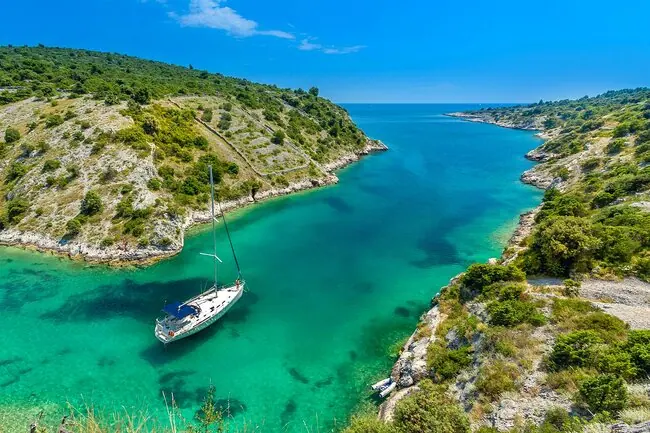
Croatia’s shore isn’t one long beach – it’s a choose-your-own-adventure split into five killer regions, each with its own flavor. We’ll cruise from north to south, hitting the highlights so you can plot your perfect pit stops. Think of it as a road trip playlist: Istria’s gourmet opener, Kvarner’s island hop, then Dalmatia’s grand finale.
Istria – Northwest Coast
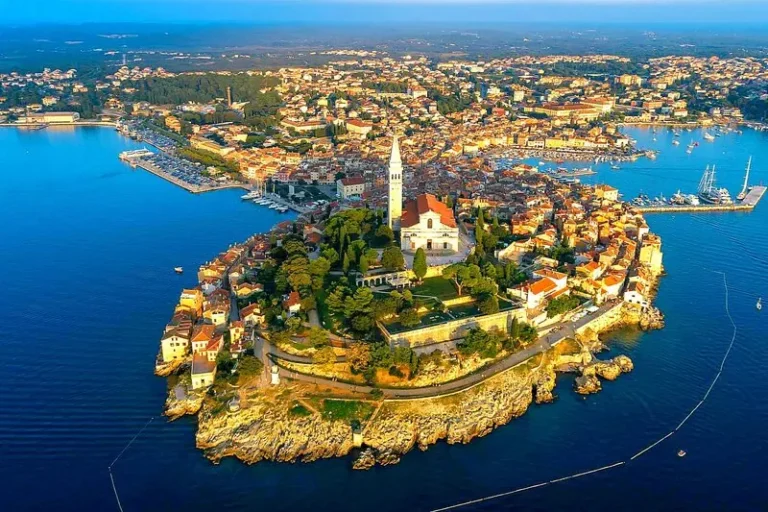
Up where the Adriatic meets the Alps, Istria feels like Tuscany crashed into the sea. Rolling hills of vineyards and olive groves give way to bays dotted with Venetian towns. Pula’s Roman amphitheater (1st century, better preserved than the Colosseum – fight me) hosts summer concerts under the stars (€20–60 tickets). Rovinj? A postcard riot of terracotta roofs tumbling to the harbor, with truffle-hunting tours (€60–100/person) that end in feasts of black gold pasta and Malvazija wine.
Beaches here are pebbly perfection: Lone near Rovinj (sandy shallows for kids, pine-shade cafés). Rent a scooter (€30/day) to zip between hilltop villages like Grožnjan (artist colony vibes) or Motovun (truffle festival in fall). Food hook: Fresh oysters from Lim Bay (€1 each), paired with Istrian prosciutto. Stay in a stone agriturismo (€80–150/night) for farm-fresh breakfasts and pool dips. Why Istria? It’s Croatia’s “slow travel” starter – gourmet without the guilt, perfect for couples or foodies easing into the chaos further south.
Kvarner Gulf – Rijeka to Pag
Just south of Istria, Kvarner’s got the bay’s best island trifecta: Krk (Europe’s second-largest, bridged to mainland – no ferry stress), Cres (wild sheep and griffon vultures), Lošinj (aromatic pine forests, dolphin spotting). Rijeka’s a gritty port city with a twist – its summer Carnival turns streets into a feathered frenzy (February, free entry). Opatija? Belle Époque glamour with 12 km (7.5 miles) lungomare promenades hugging pebble shores.
Hop to Cres for goat cheese and wind-swept hikes (Vransko Lake’s a misty stunner). Lošinj’s wellness hotels offer thalasso therapy (€50/session). Rab Island’s Lopar peninsula hides sandy beaches like Paradise (nudist-friendly zones). Ferries run €10–25/ride; book via Jadrolinija app. Pro tip: Rent e-bikes on Krk (€20/day) for cliffside views that scream “pin this.” Kvarner’s vibe? Rugged romance – for couples who like their islands with a side of history and fewer influencers.
Northern Dalmatia – Hello to the Mainland
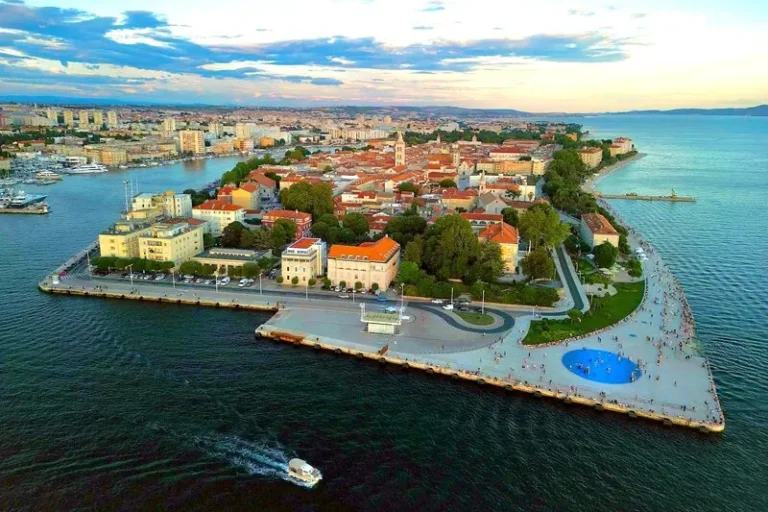
Zadar kicks off Dalmatia with a bang – the Sea Organ (waves play music through marble steps, free concert 24/7) and Greeting to the Sun (solar-powered light show at dusk). It’s got that “cool uncle” energy: ancient ruins mixed with modern art installations. Nin, 15 km north, claims Europe’s smallest cathedral (9th century, €2 entry) and therapeutic mud beaches (Queen’s Beach – free natural spa).
Beaches? Kolovare’s urban pebble strip with volleyball nets; Sakarun on Dugi Otok (ferry €5) is a white-sand stunner with shallows perfect for snorkeling. Hike Paklenica National Park (entrance €10, 200 km trails) for Velebit Mountain canyons – eagles overhead, rock-climbing walls. Food: Pašticada (slow-cooked beef in sweet wine sauce, €15) in family konobas. Zadar’s hook? It’s the gateway that feels like the destination – fly in, rent a car (€30/day), and island-hop from there without the Dubrovnik prices.
Central Dalmatia – Split’s Empire of Sun and Stone
Split’s the heart-pounder: Diocletian’s Palace (UNESCO, 4th century) is a living maze of bars in ancient cellars and markets in Roman peristyles. No ticket needed – just wander (guided tours €10–20). Nearby, Trogir’s a mini-Venice on an islet (UNESCO, €5 bridge toll). Šibenik’s St. James Cathedral (Renaissance masterpiece, €3) overlooks marinas buzzing with yachts.
Beaches shine: Bačvice in Split (rare sandy urban beach, picigin game – locals’ water volleyball). Krka National Park (bus €20) cascades waterfalls you can swim under (Skradinski Buk’s the star). Hvar Island? Lavender fields in June, fortress views (€10 hike up), and beach bars like Carpe Diem’s sunset DJ sets. Brač’s Zlatni Rat? Iconic horn-shaped pebble beach that shifts with tides – windsurfing paradise (€20/hour lesson). Central Dalmatia’s magic? It’s the “and everything” region – palace parties by day, island sunsets by night, with ferries leaving every hour.
Southern Dalmatia – Dubrovnik’s Piece of Coastline
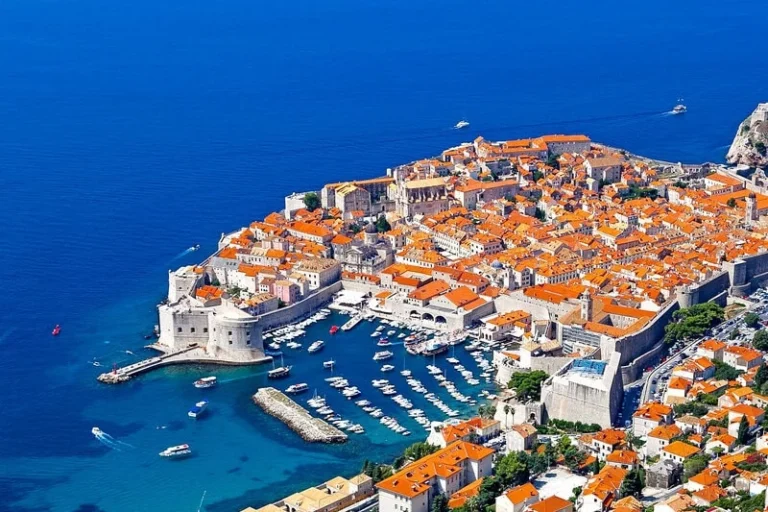
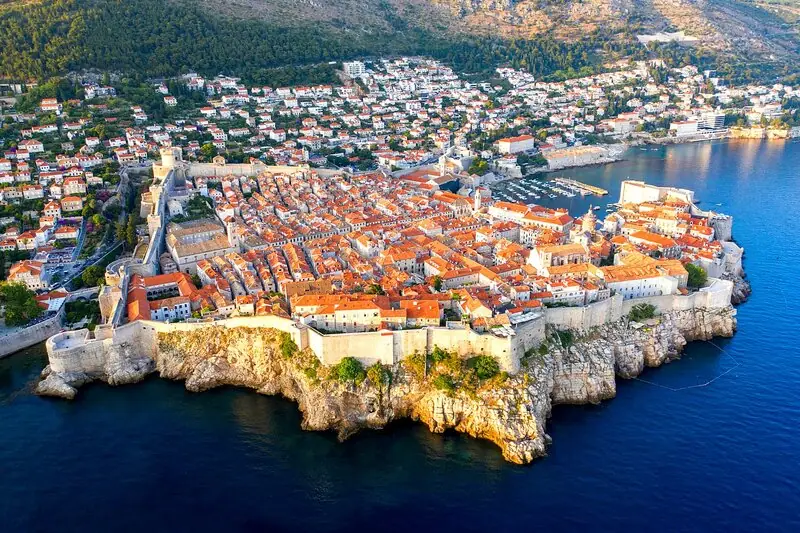
Dubrovnik seals the deal: Game of Thrones’ King’s Landing, with 2 km (1.2 miles) walls you can walk (€35, sunrise for fewer crowds). Cable car to Srđ Hill (€27 round-trip) for bay panoramas that drop jaws. Korčula’s Marco Polo birthplace (museum €5) and traditional Moreška sword dance (€15 show). Mljet’s national park (€20 entry) is Odysseus’ mythical isle – saltwater lakes for swimming, pine hikes, 12th-century monastery on an island-within-an-island.
Beaches? Saplunara on Mljet (sandy oasis in pine embrace), Banje in Dubrovnik (pebble with club views). Elafiti Islands ferry-hop (€20/day pass) for hidden coves and deer spotting. Pelješac peninsula? Wine heaven – Dingač reds (€10 tasting), oyster farms in Ston (€15/plate). Southern Dalmatia’s finale? Epic scale – fortresses guarding fjord-like bays, where history feels like it’s still unfolding.
Croatia’s Beaches: From Pebble Paradises to Sand Secrets
Croatia’s shores aren’t your cookie-cutter Caribbean – they’re rugged, clear, and endlessly varied. With 6,000 km (3,728 miles) of coast, you’ve got options: 90% pebbly (easier on feet than hot sand, say locals), but the blues? Unreal. Water’s so clean, visibility hits 50 m (164 ft) – snorkel without a mask.
Top Picks for Every Vibe:
- Zlatni Rat, Brač: Iconic 530 m (0.3 mile) horn of fine pebbles, shifts daily with winds. Windsurfing mecca, pine-shade cafés (€10 sunbed). Ferry from Split €15.
- Sakarun, Dugi Otok: White-sand dream, 800 m (0.5 mile) long, shallows for kids. Ferry from Zadar (€5), pine forest backdrop.
- Zaton, Zadar: Family gold – sandy entry, playgrounds, borove shade. Free parking, €2 ice cream stands.
- Lone, Rovinj: Istrian charmer, pebble with grassy sunbathing. Dog-friendly, near truffle hunts.
- Slanica, Murter: Murter’s star – sandy bay with waterslide, shallow for toddlers. €10 ferry from Šibenik.
- Saplunara, Mljet: Mljet’s remote jewel, white sand in pine embrace. Swim in Odysseus’ lagoon (€20 park fee).
- Banje, Dubrovnik: Pebble with Old Town views, beach club energy. €20 sunbed, but free rocks nearby.
Pro Tip: Blue Flag beaches (eco-certified, 100+ in Croatia) guarantee clean water, facilities. Kayak rentals €10–15/hour for cove-hopping. Sunscreen? Mandatory – UV index hits 11 in July. Water shoes? Essential for pebbles.
Family Escapes in Croatia: Where Kids Rule the Waves
Planning a Croatia trip with little ones? Smart move – the country’s got shallow bays, sandy strips, and activities that turn “are we there yet?” into “one more dive!” Focus on gentle entries, shade, and splash zones; most beaches have changing huts, ice cream, and lifeguards.
Kid-Approved Gems:
- Zaton Beach, Zadar: Sandy shallows stretch 1 km (0.6 mile), pine playgrounds, mini-golf (€5). Families rave about the calm – perfect for sandcastle empires. Campsites nearby €50/night.
- Zlatni Rat, Brač: Ferry from Split (€15), pebble but shallow; windsurf lessons for tweens (€20/hour). Ice cream boats float by – magic.
- Slanica, Murter: Waterslide into turquoise shallows, grassy picnic spots. €10 family ferry, borove shade all day.
- Lone, Rovinj: Grassy areas for picnics, pebble entry gentle on toes. Nearby Punta Corrente forest park – bike trails (€10 rental).
- Sakarun, Dugi Otok: White sand, 3.5 m (11 ft) max depth – safe as pools. Snorkel fish-spotting, pine hikes for energy burn.
Beyond beaches: Aquacolors Poreč (Istria, €30/day slides), Iadera Aquapark Zadar (€25), or boat safaris to Kornati (family tours €40/person with lunch). Zagreb Zoo or Split’s Marjan Hill playgrounds keep inland days fun. Croatia for families? It’s not babysitting – it’s bonding over gelato and waves, with campsites and apartments that sleep 4–6 for €100–200/night.
Food & Wine: Croatia’s Secret Weapon
Croatia’s cuisine is a love letter to the Med: fresh, simple, stupidly good. Seafood rules – grilled octopus (€12–18), black risotto with cuttlefish ink (€15), or fresh-caught fish by weight (€40–60/kg). Inland? Pečka (lamb or veal slow-roasted under a bell, €20/person) in konobas. Istria’s truffles shave over fuži pasta (€25). Dalmatia’s pršut (air-dried ham) and paški sir (Pag island sheep cheese) are picnic MVPs (€10–15 combo).
Wine? Underrated goldmine. Pošip and Graševina whites crisp as the sea; Plavac Mali reds bold as the cliffs. Tastings €10–20, bottles €10–30. Craft beer scene’s exploding – O’Hara in Dubrovnik or Varionica in Zagreb (€4 pint). Vegetarians: Grilled veggies with olive oil, maneštra soups. Sweets? Rožata custard or fritule doughnuts (€3).
Pro tip: Hit green markets early – figs, cherries, homemade rakija (€10/liter). Dinner after 8 p.m. – that’s when locals eat.
Adventure & Nature: Beyond the Beach
Croatia’s not all lounging – it’s adventure central. Zip-line over Cetina River (€60), raft the Zrmanja (€50), or sea-kayak around Elafiti (€40). Hike Biokovo Skywalk (€10 glass platform over void) or Paklenica canyons (rock-climbing €50 guide). Dive wrecks off Vis (€60), cycle Parenzana trail in Istria (€20 bike rental).
National parks? Plitvice’s 16 lakes and waterfalls (€40 peak, book online); Kornati’s 89 barren islands by boat (€80 tour). Risnjak or Northern Velebit for bear spotting hikes. Eco-focus: Croatia’s pushing sustainable tourism – electric ferries, zero-waste islands.
Wrapping It Up: Why Croatia Steals Your Heart?
Croatia isn’t just a destination – it’s a full-on crush. You arrive expecting postcard views, but leave with a playlist of memories: the salt-kissed laugh of a ferry captain sharing island gossip, the way Plitvice’s waterfalls hum like a secret symphony, the clink of glasses at a cliffside konoba as the sun melts into the Adriatic like it’s saying goodnight personally.
What hooks you hardest? For me, it’s the islands – those 1,246 specks of paradise where time slows to a sailor’s pace. Hop from Hvar’s lavender haze to Vis’s hidden Blue Cave (boat €80), and suddenly “vacation” means discovering a bay no one’s claimed yet.
Or the food: fresh octopus salad that tastes like the sea’s whispering compliments, paired with a crisp Pošip white that makes you forget calories exist. And the people? Warm as the sun, with that Balkan wit that turns strangers into story-swappers over rakija shots.
But here’s the truth Croatia doesn’t shout: it’s evolving, sure, but sustainably. With eco-hotels sprouting like olives and ferries going electric, your trip funds the future without footprint guilt. Skip the overtouristed traps – venture to Korčula’s wine trails or Paklenica’s eagle hikes – and you’ll find the Croatia locals love: raw, real, rewarding.
It’s the place where 2,500 years of history feels alive, not dusty – where Diocletian’s Palace in Split buzzes with gelato vendors and guitar strummers, and Dubrovnik’s walls guard secrets older than Shakespeare (who probably wrote about them anyway). Where a simple ferry ride turns into a daily adventure, and every sunset feels like the grand finale of a movie you never want to end.
So, yeah, book that flight. Croatia’s waiting with open arms (and endless bays). You’ll chase sunsets from Istria to Dubrovnik, “collect shells” on a dozen shores (it’s a good idea to check local rules first; removing shells or natural items can be restricted), and realize: this isn’t just a trip. It’s the start of an annual ritual. One last toast: To Croatia – where the sea meets the soul, and every wave says “come back soon.” Živjeli!